Smile Center Dentistry's Wisdom Tooth Removal process offers sedation options for more complex impacted cases, not just local anesthesia across the board.

These are the four things patients actually ask about before booking Wisdom Tooth Removal, not a generic checklist we copied from another service page.

Not every wisdom tooth needs removal — imaging tells us honestly which ones actually do.
Soft-tissue, partial-bony, and full-bony impactions each require a different approach, and we plan accordingly.
Beyond local anesthesia, sedation options are available for more involved impacted cases or anxious patients.
If a wisdom tooth isn't causing problems and imaging shows low risk, we may recommend monitoring instead of removal.
Every option below is available under the same upfront-pricing standard, whichever specific service ends up fitting your case.
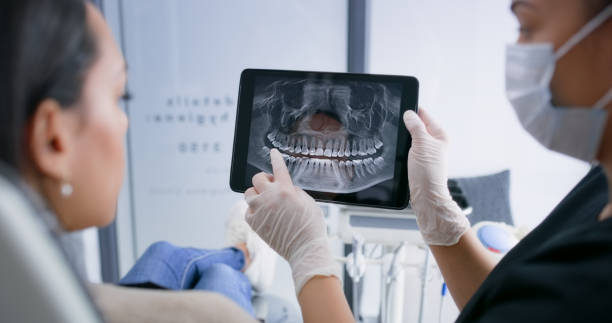
A single panoramic X-ray captures all four wisdom teeth and surrounding structures in one image. This assessment visit is where we decide together whether removal is actually necessary.
This is typically the least involved of the impaction categories to treat. Local anesthesia is usually sufficient for this category.
We plan anesthesia or sedation specifically around how involved the bony removal will be. We'll walk through exactly what the surgical approach involves before scheduling.
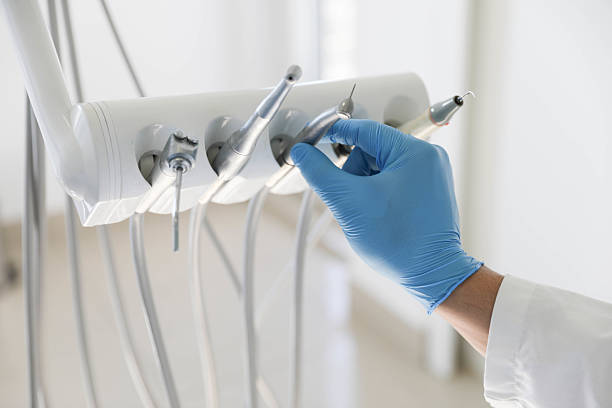
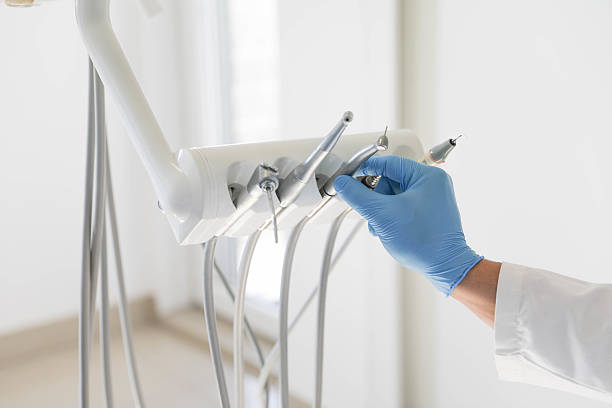
For anxious patients or more complex multi-tooth cases, sedation options beyond local anesthesia are available. Recovery monitoring after sedation follows a specific protocol we'll walk you through.
We plan pacing, anesthesia, and aftercare specifically for multi-tooth wisdom removal. Recovery guidance accounts for multiple healing sites simultaneously.
Dry socket risk is higher after wisdom tooth removal than routine extractions, so aftercare instructions are especially detailed. Call promptly if pain worsens rather than improves after day two or three.

Here's exactly what to expect, start to finish, for Wisdom Tooth Removal at any of our affiliated offices.
A quick call gets your imaging appointment scheduled, often within the same week.
Some wisdom teeth may be recommended for monitoring instead of extraction.
You'll see the full cost and any sedation options clearly before the procedure is scheduled.
The procedure is performed based on impaction type, followed by detailed aftercare and a follow-up check.

We publish these as-is, because that's the only kind of review worth reading before booking Wisdom Tooth Removal.
“They told me two of my four wisdom teeth weren't actually causing problems and didn't need to come out yet. Appreciated not being upsold.”
“Sedation for my fully impacted lower wisdom tooth made the whole thing far less stressful than I'd built it up to be in my head.”
“All four out in one visit, and the aftercare instructions actually prevented the dry socket I got last time somewhere else.”
“The panoramic X-ray showed exactly why my tooth was impacted and they explained the surgical approach clearly beforehand.”
“Recovery from my soft-tissue impaction was much easier than I expected based on what friends had described.”

Straight answers to what people actually want to know before committing to Wisdom Tooth Removal.
Not necessarily — a panoramic X-ray tells us whether each tooth is actually causing or likely to cause problems.
Soft-tissue impaction means the tooth is mostly through the gum with tissue covering part of it; bony impaction means it's still partly or fully encased in jawbone.
We discuss sedation options and costs clearly before the day of the procedure.
Soft-tissue impaction recovery is typically quickest; full bony impaction recovery generally takes the longest, often a week or more.
We plan anesthesia and aftercare specifically for multi-tooth removal cases.
Pain that worsens rather than improves after day two or three is the main warning sign — call and we'll get you in for a same-day dressing.
We can usually confirm same-week availability for Wisdom Tooth Removal before you even finish describing your situation.
We provide Wisdom Tooth Removal to Clarksdale patients with honest, imaging-based recommendations rather than a blanket removal policy. Sedation scheduling requires a bit more advance notice, so ask about it early in the process.